Authentic Project Ideas Across Age/Grade Levels

I often see educators asking for project ideas for specific age/grade levels.  I hesitate sometimes to post a link to my blog when folks are asking for middle/high school ideas, as my entire career was spent at the elementary level.  But I think when I stop and look at my project ideas, most can be used for any age level.

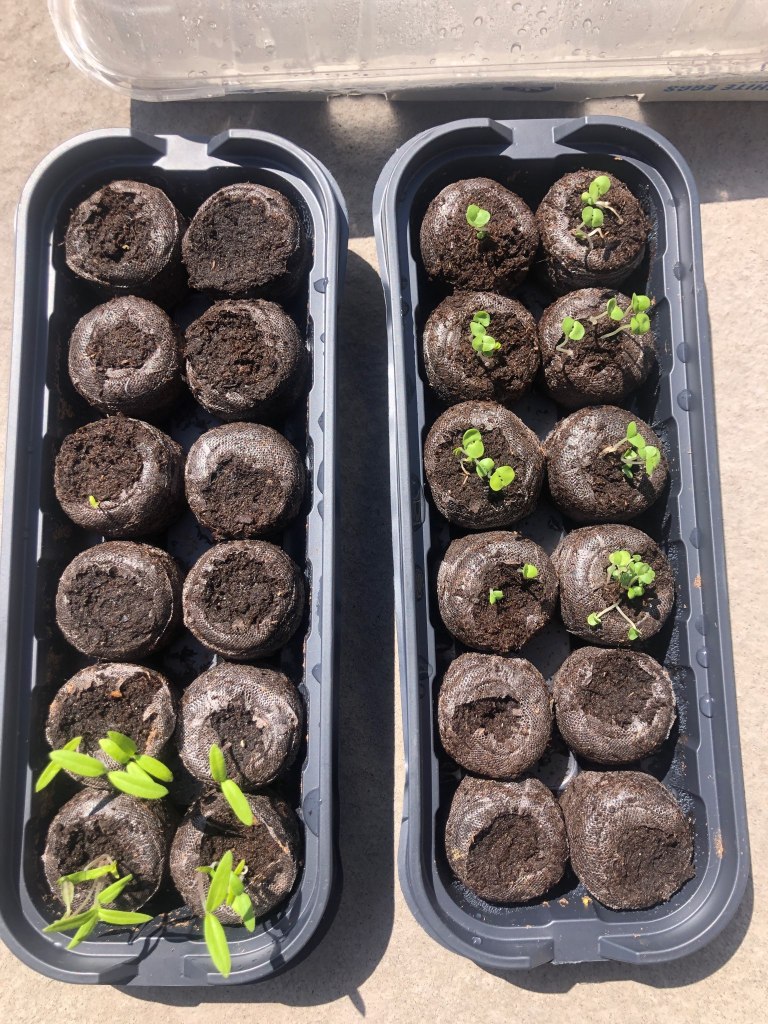
I just saw this great idea for growing plants at home during the Coronavirus quarantine.  There were so many things the student growing these was trying to learn about.  She was interested in how plants reacted in direct sun versus shade.  How different plants needed more/less water.  What seeds grew best?  What seeds needed to be transplanted to a bigger container?  What happened when you kept the seedlings warmer versus cooler? So many authentic questions and so many authentic concepts to cover.

She researched/read about plants, kept notes and logs, measurements – so many authentic academic skills…

I love the egg carton idea.  So easy to get and use. I liked the idea so much, I used it on Zoom with my kindergarten-age granddaughter who was also interested in learning about plants.

Oh, the age of the student who gave me this idea, senior in college…just sayin!

Authentic Project Ideas – Pineapples

I was very surprised to see this is how pineapples grow.  For some reason I thought the fruit part grew underground, and all you saw was the green leafy part sticking out of the ground.

So, at least some kinds of pineapples grow this way.  Are there different kinds of pineapples? Do all varieties of pineapples grow this way? Have the leaves ever been used for anything?  How did pineapples get their name?  What is the history of the pineapple?

Read about pineapples. Create a chart about the different parts of the pineapple. Write about the history of the pineapple. Create a diorama showing how pineapples grow. Do a taste comparison of different brands of pineapples. Is the taste impacted by where the pineapple grows? So many authentic ways to go with this…

And if this project turns into developing a recipe for a great pineapple upside cake – that is authentic learning – and please send me the recipe!

Authentic Project Ideas – The History of the Elevator

I did a post about elevators a while back, but this one was too cool to pass up!

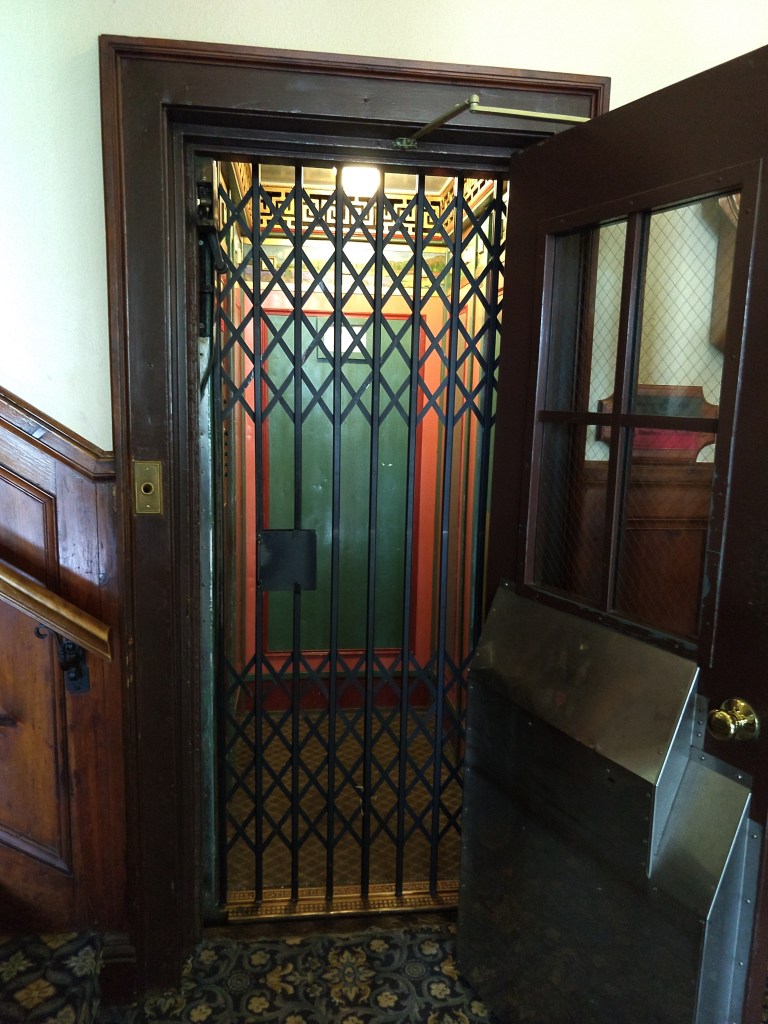
We just returned from a historic lodge which had this elevator.  You opened the door and then pulled the gate back to get in.  There were modern elevators in the lodge also, but we went out of our way to always use this one. The only other time I have seen an elevator like this was in Europe years ago. 

So, what is the history of the elevator?  Who invented it? Where was it invented?  (Reading)

Design an elevator (Math).  Construct an elevator (Math).  What will elevators in the future look like (Writing/Math)?  Lots of authentic ways to go with this…up, down…sideways?

Authentic Project Ideas – Designing a Carousel

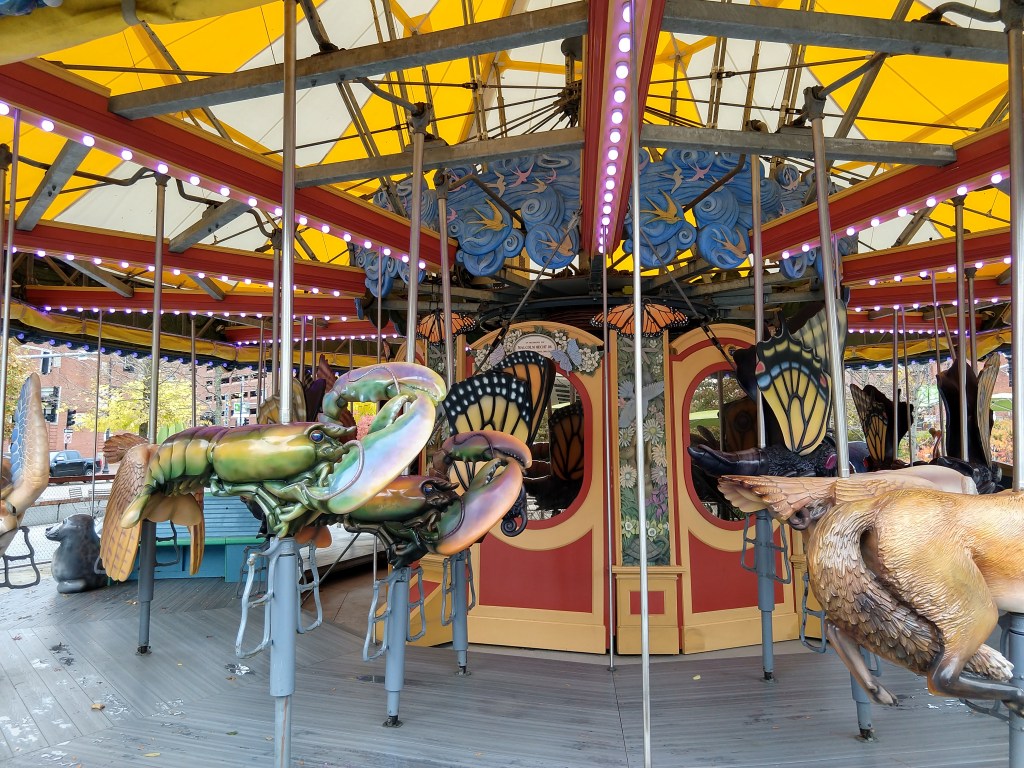
I saw this whimsical carousel in Boston.  I love the sea-life included in the carousel, so appropriate as Boston is all about seafood!

It would be a fun authentic project to design a carousel (lots of math, lots of writing) and perhaps incorporate a theme from where you live, or what you enjoy, into the carousel.  It could feature famous landmarks, favorite sports, characters from books…

Your students could even build a model of their carousel.  A working model could incorporate the authentic topics of energy and motion.

Maybe even design and build a model amusement park.  With authentic projects the sky – and beyond – is the limit.

Authentic Experiences – Mixing Batter

When you mix ingredients together for cookies or a cake, why does the batter lighten in color while you mix it?  Does this always happen when you mix ingredients together?  Why or why not? Is it important that this happens when you mix ingredients for cookies/cakes?  Will it bake better because this happens?  What happens if you don’t mix the batter enough?

What happens when you substitute ingredients?  Are there some ingredients that can be substituted and it won’t matter?  Which ingredients are very important and must be used for the recipe to work? What if you add more flour?  Less?  More sugar?  Less?  More baking soda? Less?  What is the difference between baking soda and baking powder?  Can you add too many chocolate chips? (Is there such a thing as too many chocolate chips?)

And don’t forget to talk about all of the measurements being used.

Lots of authentic questions.  Lots of authentic eating opportunities!

Authentically Teaching All Subjects

I had an idea to refine my blog by adding more topics to my menu, breaking down my ideas into reading, writing, math, science, and social studies. As I started to look at my entries, I realized that if I did this I would be moving away from exactly what I am trying to promote – teaching authentically.

If you are teaching authentically, then you are not teaching in isolation. If you are authentically teaching math, it should involve research/reading. If you are authentically teaching reading, it should involve social studies, science, and math. Writing should be authentically incorporated into every subject, it should not be an exercise unto itself.

So I am going to leave all of my ideas for authentic projects under one topic. It really shouldn’t make it more difficult to find an idea, as the whole point of my blog is to give you lots of ideas to think about and see if one resonates for you and your students. Need to teach area – design a dream house, measure for carpet, plan a new park, figure out how many chocolate chip cookies can fit on a cookie sheet… (And send me the recipe please – still looking for a great chocolate chip cookie recipe!)

Authentic Project Ideas – Solar Energy

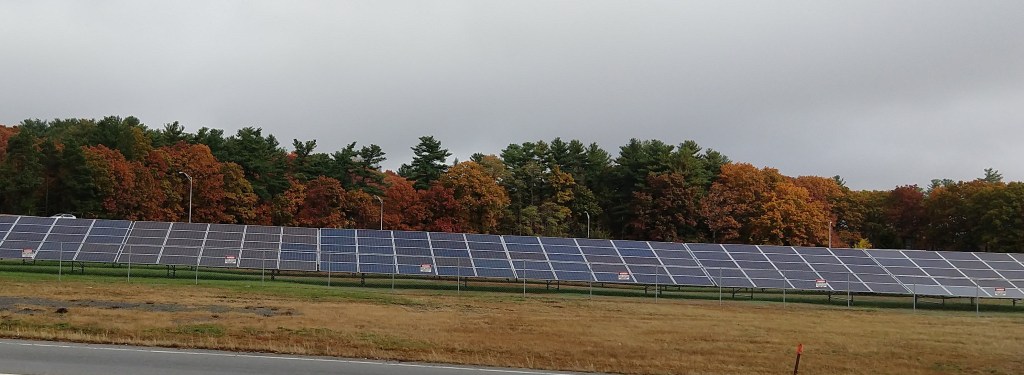
How does Solar Energy work?  I thought I understood how it worked, but when it was explained to me by someone involved in the industry, I was totally surprised to learn that I did not understand it at all.

A great authentic project would be to not only learn about how solar energy works, but to think about ways to improve it.  Even the youngest learners can understand the basics of solar energy. Learners can also draw diagrams or make authentic models of how solar energy works. Or maybe even propose other alternative ways to create energy.

And remember that if this project turns into a discussion and plan of how to conserve energy, and that leads to planning a way to track energy consumption – that is authentic learning!

Authentic Project Ideas – Lemonade Stand That Makes a Difference

Summer is finally here, and kids are out of school and home for the summer. (Officially that is – most have been home for months.)  This is the time that summer lemonade and baked good stands start to appear. 

With so many people struggling to make ends meet due to the Coronavirus and the economic impact of the shutdowns, it would be a great authentic project to turn these summer stands into fundraisers for local food banks. 

An authentic project such as a lemonade stand with home-made cookies includes reading recipes, using math to make the lemonade and cookies, writing signs, more math to sell the lemonade and cookies…the authentic experiences are endless.

And it is never too early for kids to learn how good it feels to help those in need, and that every little bit helps.  It may not seem like much to donate a few dollars to a food bank, but it means the world to the family that gets food due to that donation. 

Authentic Teaching – Listening to Students

As I have stated many times, I am passionate about Authentic Learning.  It is the reason I started my blog after I retired.  I was ready to stop teaching, but not ready to leave education and something I believe in with all my heart and soul.

I also love photography, and realized that my photos were giving me lots of project ideas.  If you stop, look around, and smell the roses, you will be amazed and what you see. 

But for a project to be authentic you need to listen, really listen, to your students.  What are they thinking about, what do they want to know, what are they interested in.  Then you create your driving question, and start to frame your authentic project with experiences that require that your content covers your curriculum objectives.

Authentic teaching requires planning, but that planning needs to revolve and change based on what your students are interested in. Plan a lesson, watch your student engagement, listen to their interests and questions, and change course if necessary.

Teaching authentically involves giving yourself that time to reflect and smell those roses. It is so important to good teaching and much more pleasant way to go through life!

Authentic Project Ideas – Wood Board Games

Toys and games of the past were made out of wood.  There were so many simple, yet fun games, that were played in the past.  What were some of these games?  When and where were they created?  Who played them?

Create a new authentic board game.  Make the game board.  (Cardboard is fine if you don’t happen to be a wood carver!)  Create your own rules.  Teach the game to your friends.

And if it is a game that can be played over Zoom, if you make one and send it to your friends as well – even better!

Stay Safe!