Happy New Year and Some Thoughts

As we enter 2026 (how in the world are we in 2026 – glad I’m not getting any older), I wanted to start off by wishing all my readers a Very Happy New Year. I also want to thank you for reading my blog, and allowing me to continue to contribute to the world of education, in my own small way.

As you know, I am passionate about Authentic Teaching and Learning. My bias is that it goes by many names, Project Based Learning, Learning Through Play, etc, but in the end what matters is that it is authentic. Make it real, make it count.

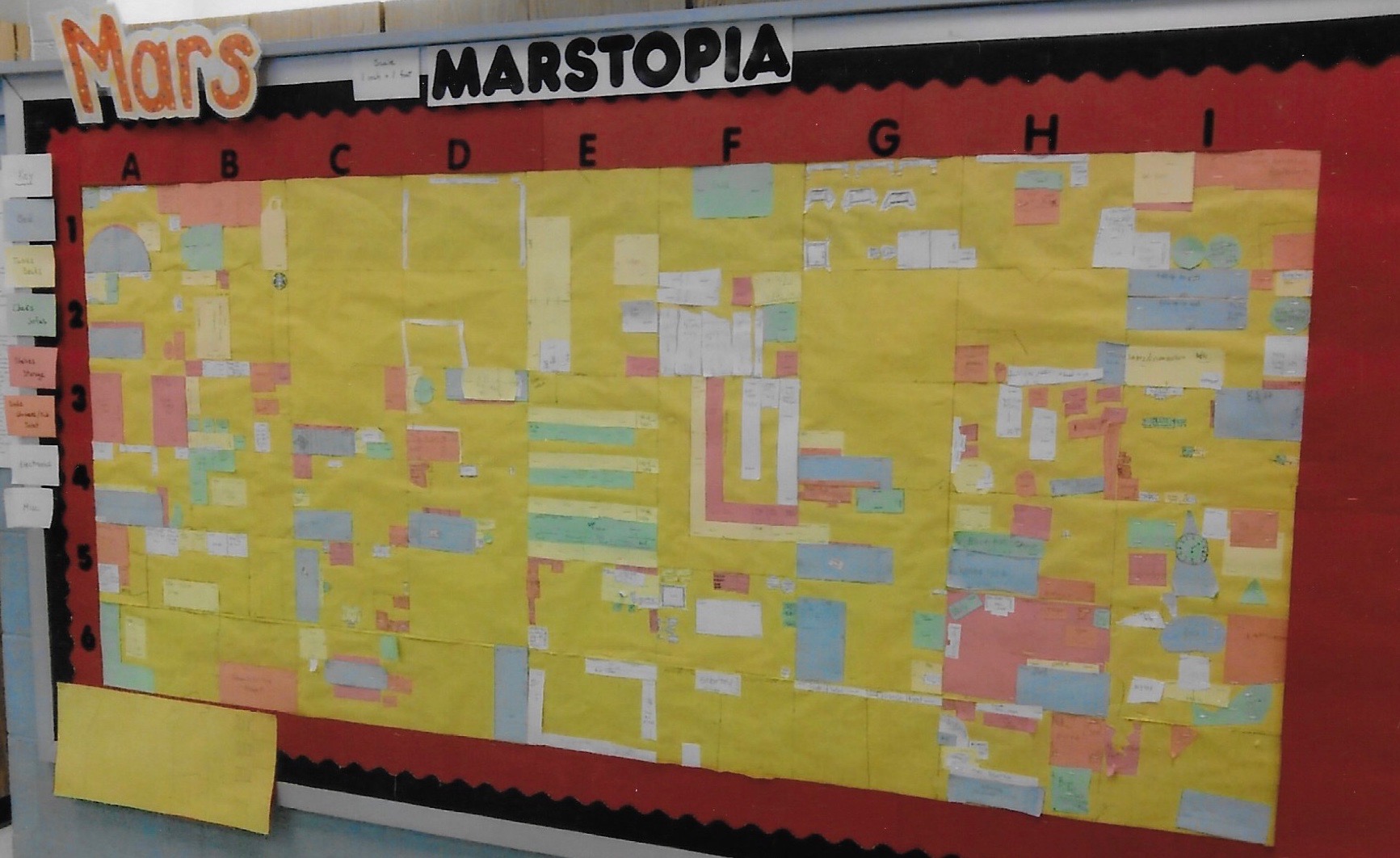
I have written before, on this blog, about how I pulled a group of fifth-graders to cover bulletin boards with paper in an empty classroom we were using for the Martian Colony Project. After thousands of worksheets on measurement, and passing many tests on this concept, they had absolutely no idea how to approach covering a bulletin board with paper. No idea how to measure a bulletin board. Zero. Zilch. Nada.

Instead of telling them what to do, I sat down and asked them what they thought we should do. After many suggestions/brainstorming ideas, they had an approach. Which did not work. So, we tried again. I never gave them an answer. I periodically steered them in the right direction with some questions. Finally they went to the media center, where the bulletin board paper was kept. They measured and cut off the paper they needed and returned to our “Martian Colony Classroom.” They stapled it up, and then realized that while they covered the length of the board, the paper was not wide enough to cover the width. More brainstorming. More paper. Board Covered. What I assumed would take at most half-an-hour per board, took over two hours for one board.

The next afternoon I picked up another handful of students from the classroom teacher and we covered another board…two-plus hours later. This continued for the entire week, until all five boards were covered. Yes, the students were out of the classroom for over two hours. But, after spending six years of their elementary education completing worksheets on how to measure, in two hours they actually learned to measure.

Make it real. Make it count.

Was this Project Based Learning? I would argue yes, because it was part of the bigger Martian Colony Project we were working on in fifth grade. Was it Learning Through Play? I would again argue yes, as the students were not being lectured “at.” They were engaging in a project they enjoyed. Was this Authentic Learning? Absolutely! The students were authentically measuring and completing a real task that needed to be done.

As a last comment…I consider my strongest strength as a teacher, and parent, is that I was lazy! Whatever my own children, and my students, could do for themselves, I had them do. (I never did figure out how to get my elementary students to write their own IEPs, or they would have done that too!) Was I really lazy, no. It took far more time and effort to have my students cover the bulletin boards with paper. Much quicker if I had covered the bulletin boards myself. But, a thousand times more educational and impactful to have them do it!

Happy New Year Everyone!
Authentic Learning – Measuring Snowfall

snow.jpg

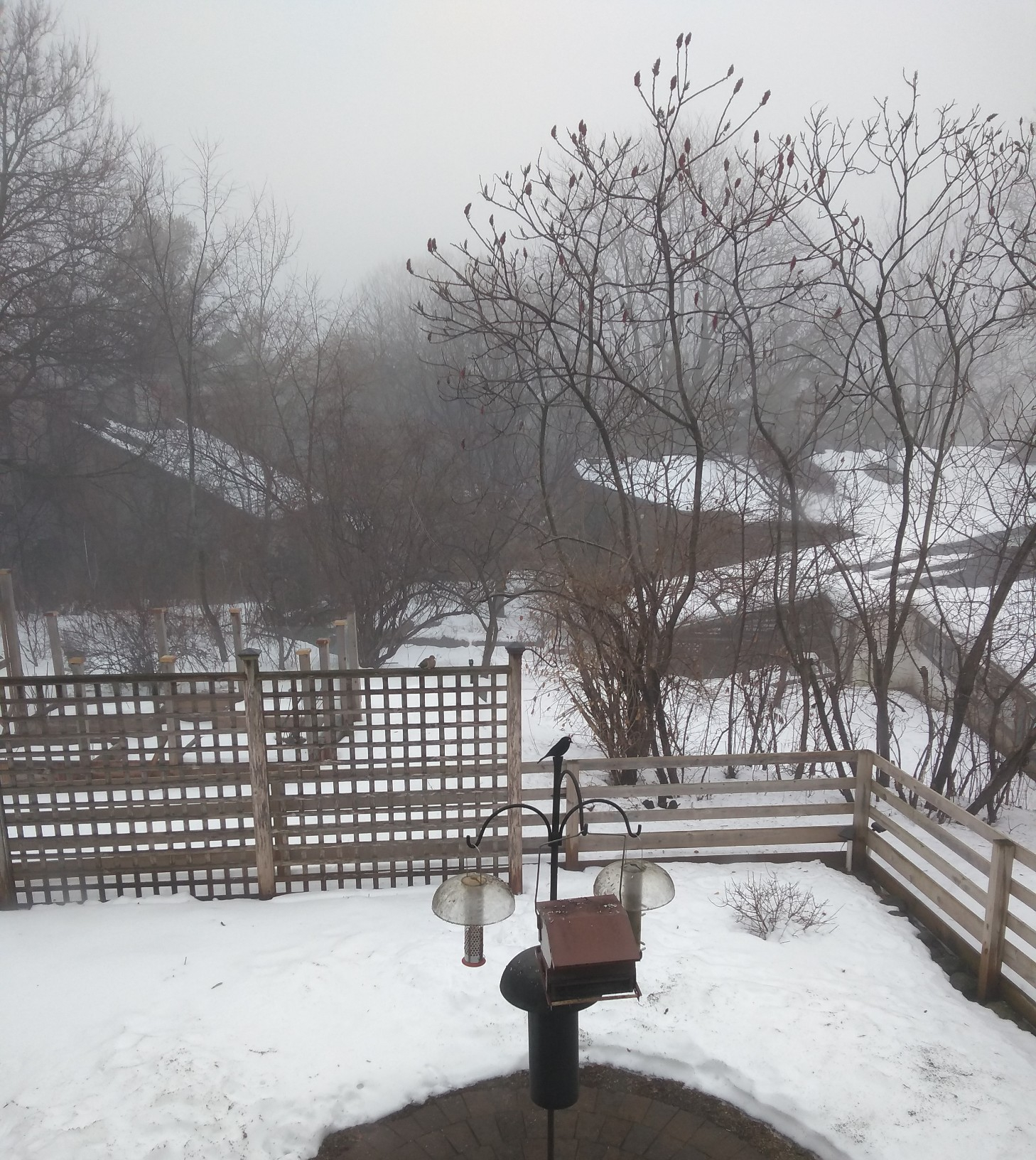
Not everything needs to be a big project to be authentic.  Tracking snowfall can be a great authentic way to learn measurement and graphing.

Use a ruler to go out and measure how much snow is on the ground after a snow fall.  Track measurements through one storm, or through the entire winter season. Create a graph with your results. Discuss different types of graphs and what graph would make the most sense to use and why.  If you are in the US, have your students measure using both inches and centimeters.  (If you don’t have snow where you live – count yourself fortunate – you can measure rainfall.)

Working with a group of fifth graders, I had them measure paper to cover bulletin boards.  These kids had completed hundreds of worksheets on measurement, yet none of them were comfortable using a ruler. Not one of them knew how to approach measuring a bulletin board – after completing hundreds of worksheets!  Basically, these worksheets had been a total waste of time.  Using a ruler to measure something meaningful and real – authentic –  internalizes the skill for a child.

Teachers – Don’t Put Up Those Bulletin Boards Before School Starts!

Scan 9

A few years ago, my principal gave me an empty classroom to reverse terraform into a Prototype Martian Colony.  I walked into the empty classroom and as excited as I was, my heart sank when I saw the condition of the classroom (the classroom had been empty for a few years – you can picture what it looked like).

The first thing I decided to deal with was covering the bulletin boards with paper.  After five minutes of staring at the boards (they didn’t appear to be covering themselves), I decided to get the fifth-graders to help me.  School had already started, so I could borrow a few kids from the classroom I co-taught in.  I figured five bulletin boards, at an hour per board, we could easily finish this in less than a day.  The fifth-grade teacher happily lent me a few of her kids.  She actually did a quick authentic math lesson – if there were five boards, and we had twenty-seven kids in the class, how many kids should work on each board?  And how should we handle the two extra students as there was a remainder?  (It is truly amazing how many opportunities there are in a school day that teachers miss for these quick authentic lessons.)  We walked across the hall to the empty classroom and as I started to issue instructions I suddenly realized I also had a golden opportunity here for some authentic teaching and learning.  So I pulled up a chair, sat down, and told the kids to cover the first of the five uncovered boards.

After an hour we had finished covering – nothing!  The kids had absolutely no idea what to do.  Five years of doing hundreds of worksheets on measurement and solving “story problems” and they had no idea how to measure, cut paper, and cover a bulletin board.  I began to give some hints, and retaught how to use a ruler (actually measuring something real – authentic – not a line on a piece of paper).  The kids had discussions about how to measure, what to use to measure (ruler versus yard stick), what side of the ruler/yardstick to use (U.S standard versus metric) what color to use, where to get the paper from, how to ask the media specialist (politely) for access to the bulletin board paper, getting the paper back to the fifth-grade wing without tearing it – the experience moved way beyond simple measurement.

The kids finally covered half the board, and they realized the paper was not wide enough to cover the entire board.  But two pieces were too wide.  What should they do? At the end of the day, one board was covered.  Yes, they had been out of class for a day, but the phenomenal classroom teacher understood the value of authentic learning, and when I returned the first group of students, she gave me five more to work on the second board.  This went faster as there had been some prepping of the second group by the first group on the playground (math language/cooperation/strategy sharing).

What I thought would be a one day task, took a week.  We got those boards covered.  And the one board that had a slight tear in one section we covered with a picture of Marvin the Martian and no one was the wiser.  It turned out this was a strategy the classroom teacher often used when she covered boards and there was a rip, or the paper didn’t line up perfectly.   Great problem solving strategy – and this also became a class inside joke the entire year!

So as I reflected on this, it dawned on me that instead of teachers spending their precious time before the kids come back to school in the fall, covering and creating bulletin boards, let the kids do it.  This is a golden opportunity for the students to engage in an authentic learning activity.  And it also gives them increased ownership of their classroom. (Those fifth-graders had total ownership over the “Martian Colony” classroom, and it started with covering the boards.  And when students “own” something the engagement and learning multiplies exponentially)  Even kindergarten students can help cover bulletin boards.  This does mean that students will return to blank bulletin boards in the fall, but a simple “Under Construction by Students” sign explains the blank boards on opening day.  And I can guarantee this one project will result in students understanding, and internalizing, measurement skills far better than completing hundreds of worksheets!