Giving Back

This is the time of year when I always share a family story…

When I was 12-years-old, my great-grandfather gave me Avon face powder for a holiday gift. Needless to say, I was disappointed by this gift. Instead of lecturing me about being ungrateful, or exchanging the powder for a different gift, my mother agreed that this was not a great gift for a girl my age. She suggested that perhaps there was a woman somewhere, that might not be getting gifts for the holidays, who would appreciate this gift.

This was before the internet, Giving Trees, etc., and it took many phone calls for my mother to find an agency that was collecting gifts for needy families. We ended up “adopting” a family for the holidays. Our whole family picked out gifts for this family. This was a tradition we continued throughout my childhood, and a tradition I continued with my own children, and now my grandchildren.

With the internet, Toys for Tots, Giving Trees… There are so many ways for children to become authentically engaged in the spirit of the holidays. Children can be given examples of ways to make the holidays special for others, can choose to engage in these activities/organizations, or come up with new authentic ideas.

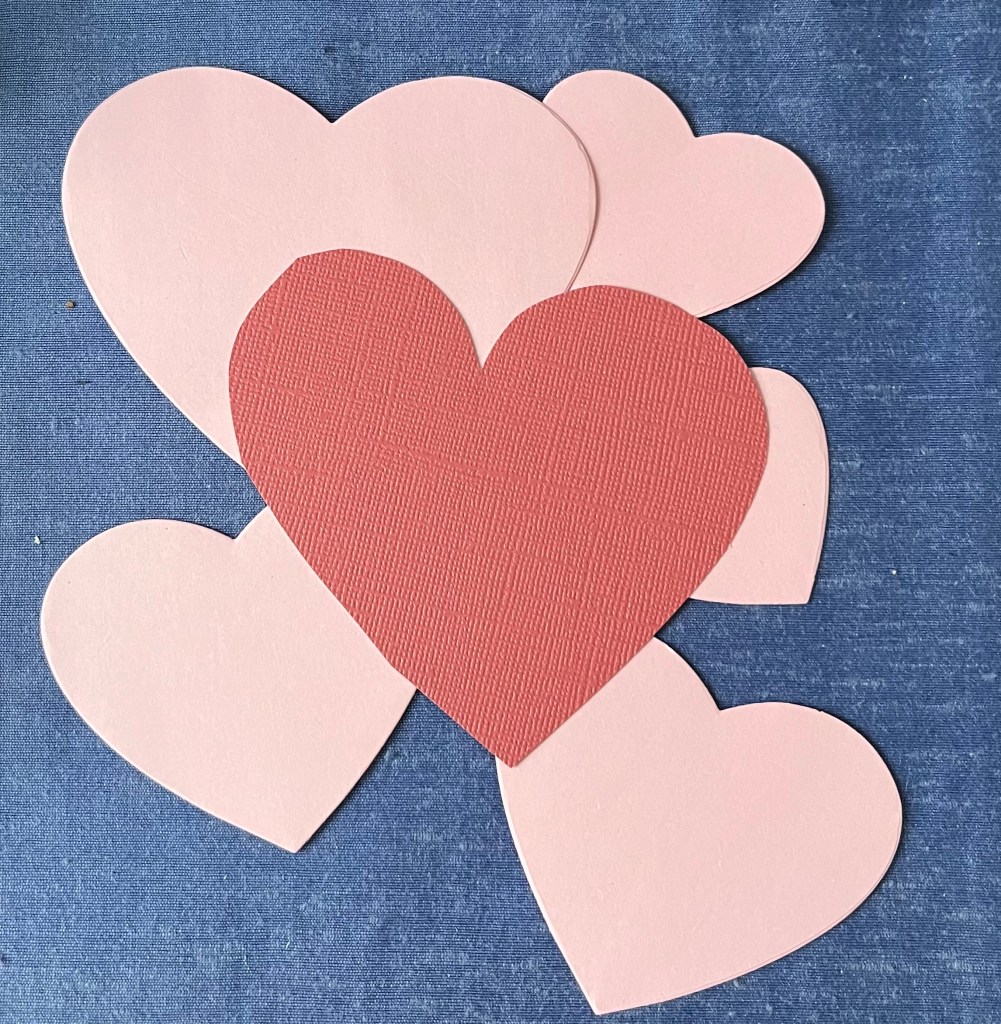
It doesn’t need to cost a lot, or anything, to make someone else happy during the holidays. A handmade card, delivered to someone you know, or don’t know, can make a difference to someone else during the holiday season. And what a great lesson for your students to learn.

Happy December! Happy Authentic Teaching!

Authentic Project Ideas – Mountains

My husband and I have been on a mission to visit all fifty US States since we retired. It will be ten years next summer, and we have four states left.

We just returned from Idaho, and we were blown away by the beauty of this state. It is truly a gem. We also had the best potato chips ever in the “Potato State!”

We knew Idaho was known for potatoes, but we didn’t expect all the beautiful mountains. The photo above is of the Sawtooth Mountains, well named for their sawtooth appearance. (If you are reading this as a subscriber, you may need to go to my blog to see the photos I attach.)

As we have travelled the United States, I’ve been continually surprised by the difference in the mountains. Growing up in South Florida (aka flat), I assumed all mountains looked the same. They do not! From the volcanic rock mountains of Idaho, to the granite mountains of Colorado, the shale mountains in the east that match up with mountain ranges in Africa… So many different materials that compose mountains.

There are also so many different ways mountains are formed. The main types of mountains include fold, fault-block, volcanic and dome.

And then there’s erosion. The older and smaller Apalachians of the east used to be higher than the Rockies, but erosion has worn them down over the millenniums.

There are so many authentic projects to do about mountains. Formation, composition, economic impact…. How in the world did early settlers traverse these majestic landforms? Are mountains still forming, eroding? Why do the mountains of the east coast of the US match up with mountains on the west coast of Africa? What is mined inside mountains, on mountains? How do mountains attract tourists?

Can you breathe on top of a 14,000 foot high mountain. (Barely! I went to the top of Pikes Peak. First gift shop I ever skipped in my life. Not enough oxygen for me to shop!)

Remember, you don’t need to visit a mountain for a project to be authentic. You just need to let your students approach the project in a way that incorporates their needs and interests. Sixth-grade me would like to plan a gift shop, at an elevation low enough that I can breathe, that sells beads made from all the different rocks and materials found in and on mountains. My first-grade husband would definitely want to create charts with the heights of all the mountains in the world.

Mountains of authentic project possibilities…

Authentic Project Ideas – Pumpkins

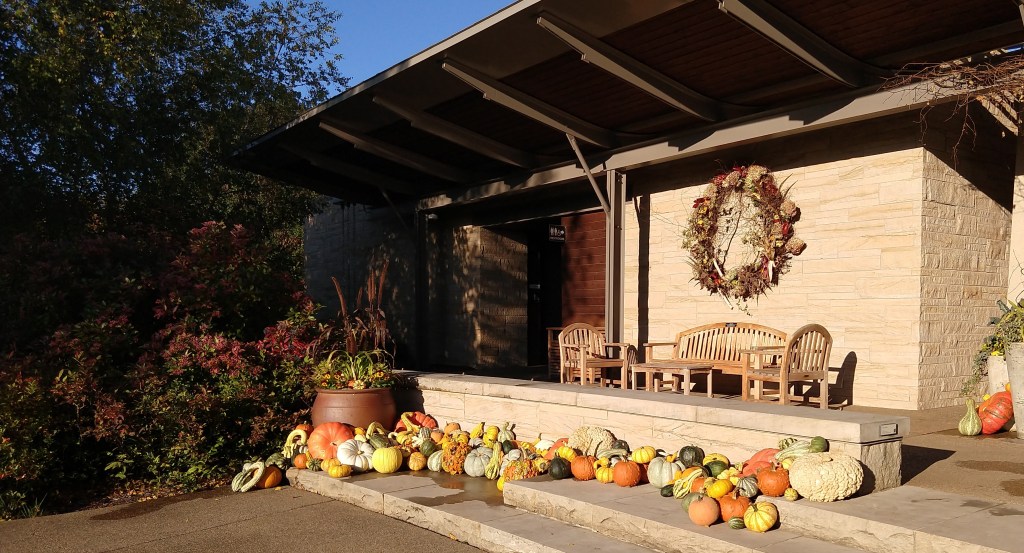
How did pumpkins become a symbol for Fall? How did pumpkins become so important to Thanksgiving in the US?  What other countries use pumpkins as a symbol for Fall? Why might this be? How many different ways can you use a pumpkin?  How many colors do pumpkins come in?  Is a pumpkin a gourd?  Or is a gourd a pumpkin? 

Where are pumpkins grown?  How big can pumpkins get? 

So many authentic ways to go with this!

Happy Fall Y’all!

Authentic Project Ideas – Types of Apples

I can’t believe that fall is coming…my apologies to those that live in the Southern Hemisphere, and to those that aren’t retired teachers and really can’t believe that fall is here.

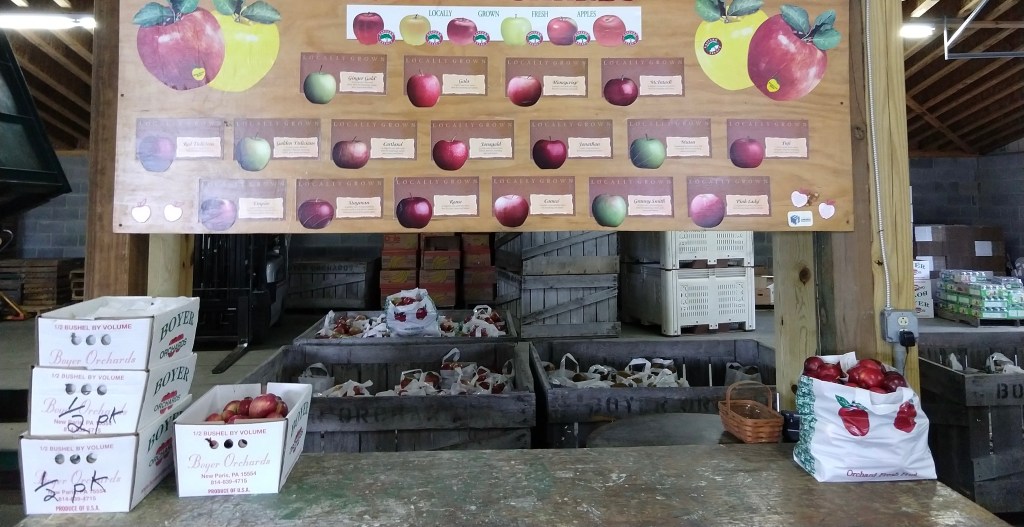
Tis the season of cooler weather, apples and pumpkins – that is next month’s blog. There are so many different types of apples. This is a great authentic topic to explore with all age groups. For the youngest learners, counting apples, discussing the color of apples and then moving into an authentic project with apples. Baking – perhaps have them list all of the recipes they think you can use apples as an ingredient, and then vote as a class as to what you all would like to bake. Selling – opening an apple stand in your classroom and selling apples to other teachers. Use the money to buy an “apple treat” for the class. As learners get older you can include the cost and profit of selling the apples. Track which kind of apples sell best. Donate the money to a charity that the class selects. You can see how a simple project can turn into reading, writing, math, social awareness skills…limitless authentic directions to take this.

With older learners you can get in to the science of how and where different types of apples are grown. The best places to grow apples and why. Cross pollination and genetic engineering – how this works, how long it takes… What a great presentation to make to a class. And this can be individualized to each learner’s interests – genetic engineering of any plant, or animal, pros and cons, ethics…

Meanwhile, enjoy the start to the fall season. And eat an apple!

Ignite the Fire – a Newsletter

My blog serves two purposes: it keeps me involved in education post-retirement, and it is a resource that does not cost educators money. As I have stated many times, I am passionate about authentic learning. My blog gives me ways to channel this continued passion, and give a little bit back to the field of education that gave so much to me.

The person who introduced me to authentic learning, my former principal and forever friend, Peggy Pastor, has started a newsletter that serves the same two purposes for her. I am putting words in her mouth, but I think I know her well enough to do that. Her newsletter “explores how educators foster a dynamic, supportive classroom climate that prioritizes fulfillment and lifelong learning.”

It is co-written by a former co-worker of mine, Mary Ruth McGinn, who exemplified how to bring authentic learning into a classroom. I believe this newsletter serves the same two purposes for her.

I learned a googol from both of these ladies – one of my six-year-old grandson’s favorite new words – that means ten to the power of 100, or a whole lot!

Click on the link below for access to their newsletter. I hope you enjoy it as much as I do!

Ignite the Fire on Substack

Learning Takes Place When Engagement Takes Place

The title of this blog may seem obvious, but it is an often overlooked requirement to effective teaching. If students are not engaged, they will not learn.

Hopefully, we are moving away from the day when much of learning was memorizing facts. Drill all weekend, use as many mnemonic devices as you can, pass the test on Monday, and forget everything you memorized on Tuesday.

If learning isn’t meaningful, if it isn’t authentic, and it isn’t real learning.

With the ability to access facts at our fingertips – I just looked up how to spell mnemonic on my cell phone – we don’t need to memorize facts anymore. However, we need to have our students master an even more difficult skill – how to think. By engaging students in authentic activities that mean something to them, they will internalize this skill. How to think.

I recently moved to Colorado and now live at 7,000 feet. My baking skills were totally destroyed with our move to a high elevation. This high-altitude baking is serious stuff. My county-fair blue ribbon cookies become mush that only my husband would eat – he will eat anything so that isn’t saying much.

I am truly motivated to learn how to bake at high-altitude, and I am engaged in this learning. Not only do I want to be able to bake cookies for my family to enjoy, but I want to win ribbons at our county fair next summer. Have I mentioned before that I will do anything for a trophy, medal, or ribbon?

I asked my new neighbors for baking advice, and then baked several disasterous batches of cookies – that only before-mentioned husband will eat. I memorized their advice, but didn’t internalize it. I didn’t understand why I was doing what I was doing, and couldn’t trouble shoot what wasn’t working.

I began researching on-line. Every article I read had different advice, which I finally figured out was because after 3,000 feet, every additional 500 feet changes how you deal with the altitude. I attended our local Colorado county fair last month – where I won several craft ribbons – crafts not being affected by altitude. I read all the cookie labels and tried to figure out what these bakers were doing to handle the high-altitude.

I am happy to report that I am making progress. I am doing lots of baking – authentic experiences, authentic learning. I am really beginning to understand how to tweak recipes to achieve success at this elevation. My grandchildren will once again eat my cookies. And I have definitely internalized what I have learned.

I will let you know next summer if I win any baking ribbons!

Authentic Project Ideas – Mining for Paint

This is a photo of the Paint Mines in Colorado Springs, Colorado. The Native Americans “mined” the brightly colored bands to make paint. There is evidence of human life in the area of the mines as far back as 9,000 years ago.

I am always amazed by the ingenuity and creativity of the Native Americans. This area is truly amazing, my photo does not do it justice. But, it is even more amazing that the Native Americans saw this area, and realized that they could use the brightly colored bands as the basis for different colored paints.

What else did Native Americans use to make paints? What did other groups of humans use in the past to make paints? What are the different ways that they used these paints? How do we know that they used the materials found in the mines for paints?

An authentic project might be to use things found in nature today to create paints, and to use them. Perhaps, a display explaining how a group of humans created paints and dyes in the past could be made using only paints and dyes created by your students. Who knows what they might discover as a basis for paints and dyes!

*You might want your students to cover their clothes with smocks, before they start to make and use the paints and dyes. More importantly, have any visitors to your room do the same. Especially a visiting school district supervisor, wearing a flowing kaftan. I’ll skip that “fun” story, you can use your imagination!

Authentic Project Ideas – Fountains

I love fountains.  The sound of water is so soothing.  I’ve been sitting here happily listening to the water run in the fountain pictured above, for almost an hour.  So relaxing!

I think it would be really fun, interesting, educational, and authentic to design a fountain.
What are the pros and cons of fountains?  Pros: Relaxing… Cons: Water usage, energy usage…. How could you make a fountain water and energy efficient?

Young students could use writing and math in their fountain designs.  Older students could add research about water and energy efficiency. 

Present your fountains with brochures, posters, models, even working models!
The best part is that everyone can incorporate their passions into their designs.  A football or soccer themed fountain.  A princess or mermaid themed fountain.  Outer space, the sea…

Bonus research: Why did people start throwing coins in fountains?

Authentic Teaching – Data Presentation

I just saw a very confusing graphic on a news program.  This got me thinking about the importance of charts, graphs, and other ways to present data.  Part of every authentic project is presenting your project, your conclusions, suggestions, findings…

A discussion of ways to present your authentic project is extremely important.  An important part of every authentic project is the hard data and/or plans. What is the most appropriate/innovative way to present your data/plans?  How do you check to make sure your presentation is clear, attention catching, honest?…

This is a hugely important topic that should be discussed frequently throughout every authentic project.  And a great way to bring in your math curriculum goals re charts, graphs, etc.

*My husband suggested I create a graph to show my on-line shopping per day. Excellent idea. I will count by one hundred to label the y axis. This will place all my daily shopping around the zero…

Authentic Project Ideas – Mass Transit

This is the latest addition to the ways to get around DisneyWorld. When I first heard about this, I couldn’t imagine how this would be an easy and efficient way to move people around, but it really works. They even have a system that pulls off every tenth or so vehicle, to be loaded separately for people who need extra time, have wheelchairs, etc. Very efficient!

I have heard rumors that Penn State University, where we live, has a plan to eventually end all campus traffic and parking, and transport people in from outlying parking lots to the campus. The rumors include the use of buses, or a monorail system.

This would be a really cool authentic project, designing a way to keep cars out of a specific area by developing a plan to get people quickly and efficiently into the area using methods of mass transportation. Even more fun, develop a new method of mass transportation. This could also lead to an authentic project about the benefits of mass transit.

Models, charts, proposals…lots of ways to present authentic ideas.

*I am not totally thrilled about the dangling-by-a-cable part of the Skyliner travel, but it looks secure so I just ignore that part!