Authentic Project Ideas – National Parks and Preserves

I am writing this sitting on a bench at the Tallgrass Prairie National Preserve in Kansas.  The gift shop is currently under renovation, which is a shame as they just lost money on my inability to shop.  My husband is out hiking the preserve looking for buffalo, so I figured I would write a blog entry. 

We just spent several days in Kansas.  The view driving through Kansas was wind turbines (another blog) and farm land.  Not until we got to the preserve did we see the native tallgrass that used to cover the prairies of Kansas and the other midwestern states of the United States.  

Why are preserves like this one important?  What purpose do they serve?  Why are the US National Parks important, or national preserved areas in other countries?  What is the history of the National Park system?

Create a brochure or map for a National Park.  Create a model or diorama of a National Park. Write an advertisement for a Park or Preserve.  

Propose a new National Park.  Contact your local or state/territory government about a need for a new park.  Who knows – you might end up creating something new! It doesn’t get anymore authentic than that!  And if you have a gift shop let me know…I’ll be there!

Authentic Projects vs Themed Units

What is the difference between an Authentic Project and Themed Learning.  Basically, when a project is authentic, the student is allowed to explore and learn about what interests them.

In a Themed Unit, the students are usually presented with worksheets and assignments with little to no allowance for authentic exploration. 

Think of it this way.  You introduce a driving question about tornadoes.  (This popped into my head because we are traveling in the Midwest and seem to be a day behind some horrible weather that has spawned tornadoes.)  In a Themed Unit the students learn about tornadoes, do research about tornadoes, write about tornadoes…they may even create posters, displays, and diagrams about tornadoes.  But the unit ends there.

In an Authentic Project you can start with the same driving question.  Perhaps, “What causes a tornado?” But from there, students may follow other paths of interest based on your introductory lessons and their research.  One student may want to explore how to build tornado resistant structures.  One student may find that hurricanes spawn tornadoes, and become interested in learning more about hurricanes.  One may want to start a fundraiser for recent victims of tornadoes.

I have discussed before how even though this sounds like an impossible scenario for the classroom teacher to control, it is actually easier as you have motivated students who are creating their own authentic learning situations.

Need to teach percentages during this time…pull everyone back together to do a lesson on the percentage of your country that is prone to tornadoes (this is a themed unit – then return the students to their authentic learning).

Authentic Project Ideas – The Gateway Arch

I have always wondered how in the world an elevator took you to the top of the Gateway Arch in St. Louis.  I recently had the opportunity to find out!  I usually don’t like heights, but my curiosity won out, and I went to the top.  And for some reason, I wasn’t “weak in the knees” like I have been on other high-rise adventures.  Seattle Space Needle, great – never again.  Toronto CN Tower, ditto – never again…

I have watched videos about how an elevator could go up to the top of the Gateway Arch, and the best way to explain it is elevator meets Ferris Wheel.  Years ago, I had students watch videos about the Arch and then build models of the “tram” as they call it, that takes you to the top.  They also designed other authentic ways to reach the top, some very creative, some involving a great way to burn off a ton of calories (there are actually steps that go all the way to the top of the Arch for repairs, etc).  I am sure there are many other authentic projects that can be inspired by the Gateway Arch.

A discussion of the significance of the Gateway Arch will explore the westward movement of the United States.  So if this project also sends students on an authentic journey through parts of American history, that is authentic learning.

Authentic Project Ideas – The Northern Lights

I am just fascinated by the Northern Lights.  I would love to see them some day.  We came close recently in the Upper Peninsula of Michigan, but we were a few days late and fifty miles away from a dark enough area.

There are so many authentic projects I can think of about the Northern Lights.  As an adult learner, I need to do a lot more research about what causes them and where is the best place to see them. 

For older students I can imagine authentic projects about the atmosphere, geography, solar phenomenon, magnetic fields, latitude, longitude… and unlimited art projects involving color.

For younger students I can imagine all of the above on a simpler level, depending on the age group and abilities being worked with.

BTW, the above photo was taken by a friend of mine in northern Wisconsin.  I am so jealous!

Authentic Project Ideas – Making Maple Syrup

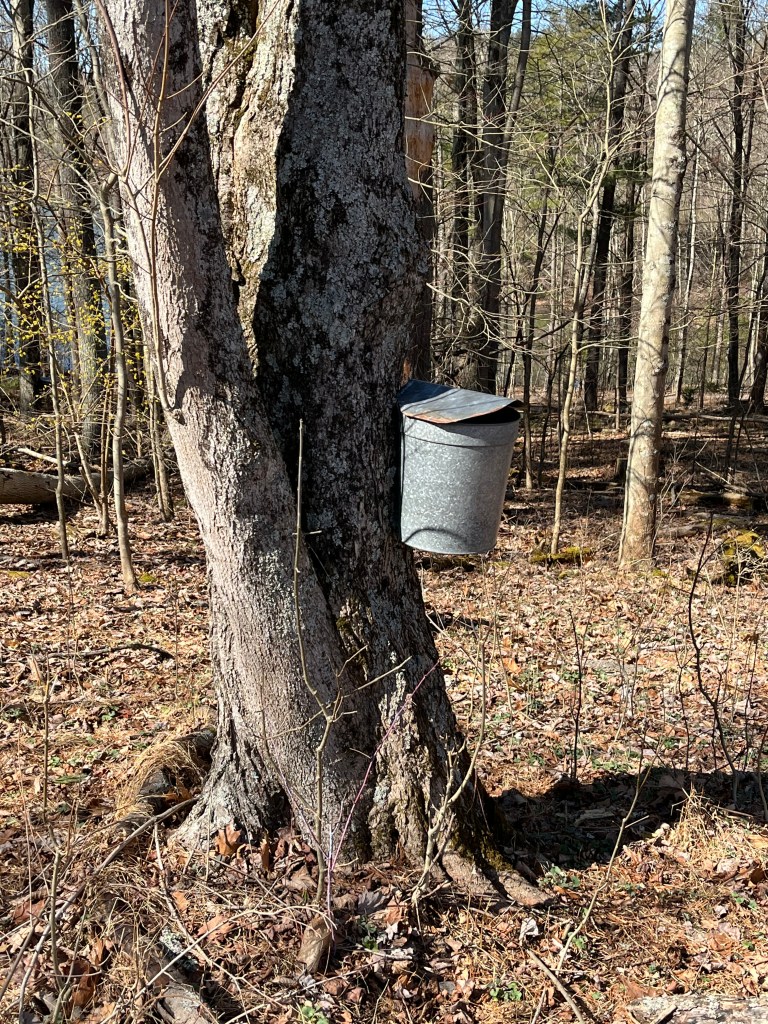
We recently attended a spring Maple Harvest Festival near our home in Pennsylvania.  It was great fun, especially the part where you eat pancakes with the maple syrup on them!

So how is maple syrup made?  How are trees tapped for the syrup?  Then what happens?

How else can you make maple syrup?  Does the syrup from trees taste better than the artificial type? (No such thing as a dumb question – that was a dumb question.)

What other foods/products do we get from trees?  Create a booklet, a chart, a display… Actually make the product.

And if this project turns into an authentic project about harvesting trees for lumber and the impact on the environment, that is authentic learning.

Tex the Explorer and The Jared Box Project

Eyen and I are thrilled to announce the publication of our latest book, Tex the Explorer and The Jared Box Project.

Tex is a young T-Rex.  He loves to explore.  For his birthday, his parents gave him a scooter.
Tex is off to explore his neighborhood – or so he thought! This book tells the story of Tex and his introduction to The Jared Box Project.

The Jared Box Project was started in 2001 by the children of Our Lady of Victory School in State College, Pennsylvania, to honor their classmate and friend, Jared. Jared McMullen was a brave little boy who battled cancer. He carried a backpack full of toys and games to all of his appointments and questioned why the other children didn’t bring toys to their exam rooms. Jared shared his toys with the other children. He demonstrated faith, wisdom, and compassion for others.

For over 20 years, Jared Boxes have delivered countless smiles, laughter, and hope to children in hospitals across the country. Since then, more than one million Jared Boxes have been delivered to over 475 hospitals across the United States and in other countries.

The mission of The Jared Box Project is to entertain and put a smile on the faces of children in the hospital. A Jared Box is a “gift of play,” a plastic shoebox filled with small gifts, toys, cards, games, crayons, coloring books, and other fun activities.

The Jared Box Project is a “give local” project. Thousands of groups have made and delivered Jared Boxes to hospitals in their communities. Children and their parents are so thankful for these boxes that showcase the importance of play and are filled with well wishes, hope, and love. Join us. Make some Jared Boxes for the children in your local hospital. Bring on the smiles!

Tex the Explorer and The Jared Box Project is available on Amazon.

This book has been donated to the Jared Box Project By Ellie, Eyen, and Tex.

For more information visit TheJaredBox.org

Authentic Project Ideas – Mountains

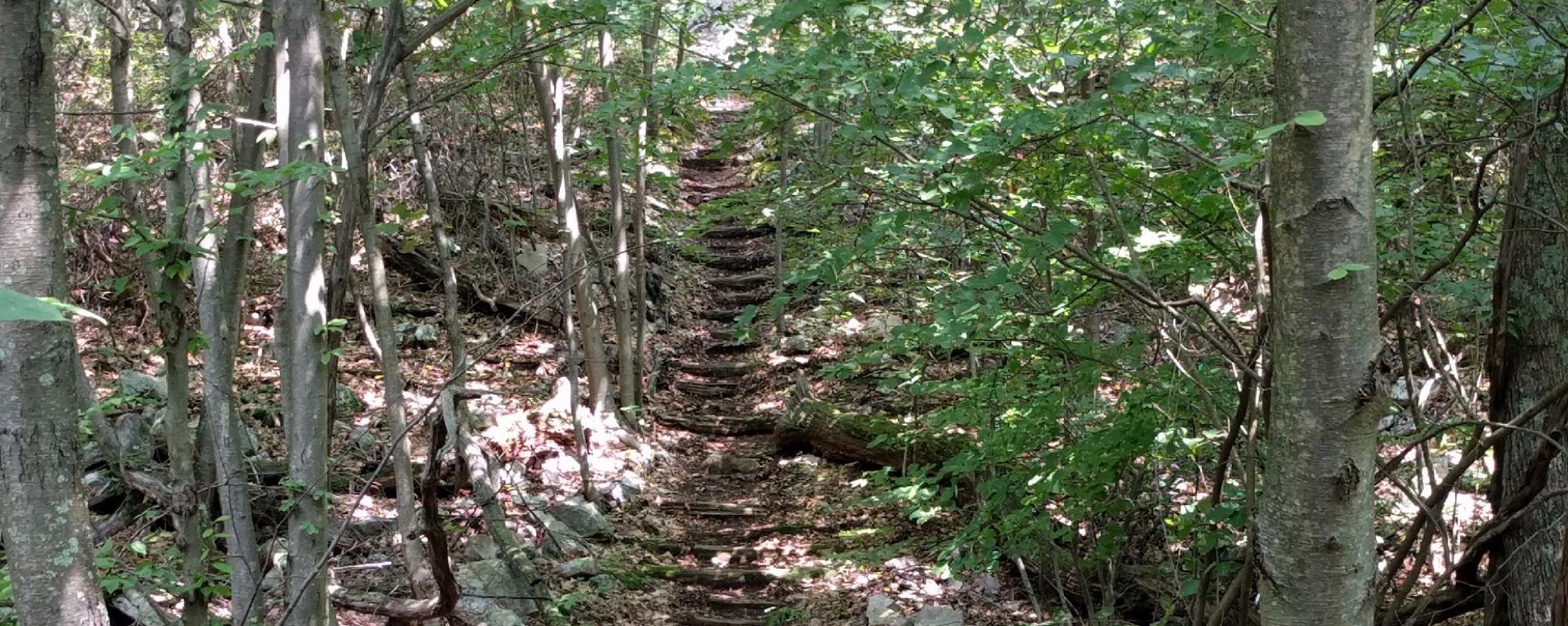
We live in the Appalachian Mountains which I think are so impressive and beautiful.  That was until we went to Colorado and saw the Rockies.
I thought of so many authentic project ideas when I saw the Rockies.
Why are the western United States mountains so much bigger than the eastern United States mountains?  How did mountains form?  Are they still forming/changing?  Where are the biggest mountains in the world?
I am not crazy about heights, but planning on taking a train to the top of Pike’s Peak the next time we are in Colorado.  I’ll let you know how that goes!

Authentic Project Ideas – Rock Formations

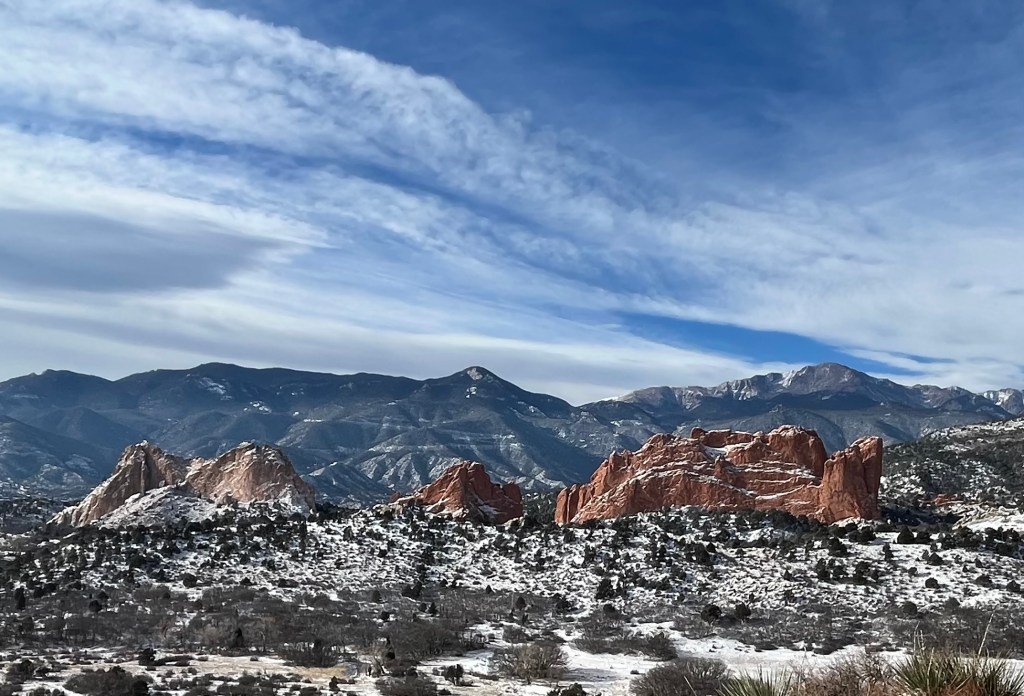
This is a rock formation in Colorado Springs.  When I first saw it I thought it was an old castle.  There is actually another formation called Castlerock. 
How did this form?  What kind of rock is it?  What will it look like in the future? 
I am actually going to do my own authentic project and research, and make a scrapbook page of all of the rock formations I saw in Colorado. It will be a very big scrapbook!

Tex the Explorer: Journey to the Oceans

So proud of Tex the Explorer: Journey to the Oceans.
This book just won its seventh award! The book was inspired by my mother’s love of the oceans, so it is very appropriate that the first award it received was from Mom’s Choice Awards®.

2022 Mom’s Choice Awards® Silver Recipient
2022 Chanticleer International Book Awards Finalist
2022 Royal Dragonfly Book Awards Winner
2022 Story Monsters Approved®
2023 indieBRAG® Medallion Winner
2023 Independent Press Award® Distinguished Favorite
2023 Book Excellence Award Finalist

Available on Amazon.

Authentic Project Ideas – Solving One Problem, Creating Another

On a recent drive with my husband, we saw wind turbines on a mountain ridge. He mentioned that he had talked to our local government about whether they would ever put up wind turbines on the mountains in our area, and they said they would not. This surprised me, but the reason they gave him made a lot of sense. Our mountain ridges are major migratory routes for several types of birds. Putting up wind turbines would disrupt the migration pattern.

And now we have questions about wind turbines and the possible connections to whale deaths.

By late elementary school, students are old enough to grapple with problems like this. Why do we care if we disrupt a migration route for a bird? Should we care? When we think we are doing something good for our environment, do we sometimes end up creating another, or even worse, problem? Lots of driving questions, lots of possible authentic projects.

Lots of authentic ways to incorporate reading, writing, math, science, social studies, art…