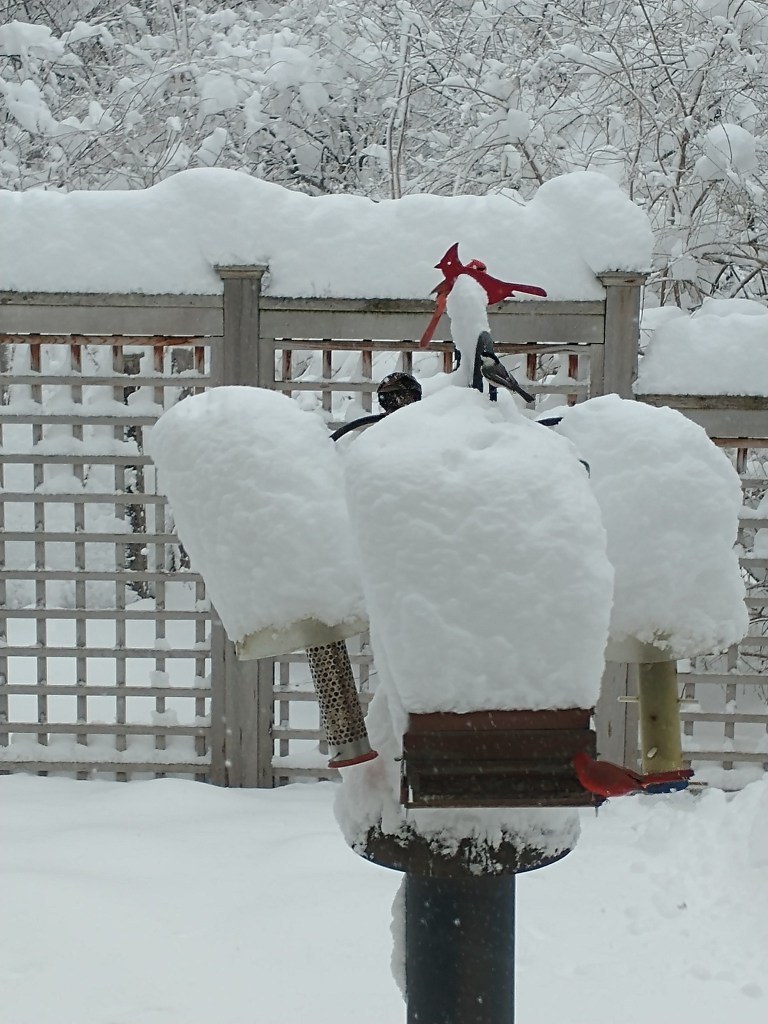
I am writing this blog in January, right before my husband and I head south for some warmer weather. We planned this trip a year ago. So far, we have had a very mild winter. Usually this means we will pay for it later, especially in March. Our planned return is today, March 1. Hopefully, we will not be returning to a scene like the photo above. (If you are getting my blog delivered by email, you may need to go to my actual blog site to view the photos I include. The-Educational-Journey.com)
So, what causes the seasons? Why are the seasons the opposite in the northern and southern hemisphere? Why don’t we always get snow in the colder climates in January? Why can March be such a cold, snowy month in the northern hemisphere? There are a million authentic projects you can explore about the seasons, and modify for the age group you are engaging. (I didn’t use the word engaging accidentally.)
I assumed as a child, that when we were closer to the sun it was summer and farther away it was winter. But, the Earth is closer to sun twice during its orbit. And why are the seasons reversed in the southern hemisphere? How can we create something to show others what causes the seasons on our planet? Posters, brochures, displays…
With older students, why do temperatures fluctuate? Rain versus snow. Warm versus cold. Think about the opportunities to incorporate these driving questions into daily lessons, and where your students might go with this.
So, next time you are doing calendar work with young students, or dealing with older students hoping for a snow day from school, think about those probing, driving questions that can lead to an authentic project. And, please cross your fingers for me that when we arrive home today, we are not encountering a March blizzard!
 The Educational Journey